
Exploring the Fascinating World of Tabletop Games
Tabletop games have long been a source of joy, strategic challenge, and social engagement. These games range from the simplest card games to complex board games designed to test the intellectual mettle of participants. As the tabletop gaming culture evolves, it draws more enthusiasts into its circle, entangling them in a web of innovation, storytelling, and camaraderie.
The Definition and Diversity of Tabletop Games
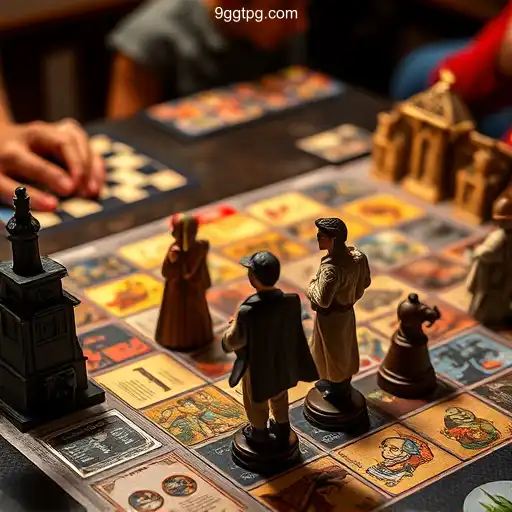
Tabletop games encompass a broad category of games that are generally played on a flat surface. This includes traditional board games like chess and checkers, card games, dice games, miniatures wargames, and role-playing games. Each type of game brings its own set of rules, strategies, and appeal, allowing players to immerse themselves in different mechanics and narratives.
Recently, the resurgence of tabletop games has been marked by an interest in both vintage and modern games, spurred by the community's cravings for collaborative play and tangible interaction. In particular, board game cafes and gaming meetups have contributed to this renaissance by providing spaces where enthusiasts can share the joy of their favorite games.
Popular Tabletop Games: From Classic to Contemporary
Some tabletop games have stood the test of time, remaining popular choices for gameplay across generations. Chess, for instance, is a classic example of a game that combines simple rules with deep strategic complexity. Similarly, card games like poker and blackjack have retained their appeal through their reliance on both chance and skill.
In contrast, the 21st century has seen the rise of innovative tabletop games that capitalize on enhanced storytelling elements and elaborate world-building. Games such as Settlers of Catan and Ticket to Ride have successfully combined strategy with engaging themes that capture the imagination of players.
Rising Trends in Tabletop Gaming
One meaningful trend within tabletop gaming is the integration of digital elements, blurring the lines between traditional games and video games. Apps and online platforms allow players to connect remotely, lending a new layer of accessibility and inclusiveness to the culture.
Moreover, there’s the increasing popularity of diverse and inclusive themes. Game designers now strive to create narratives and characters that reflect a wide range of cultures and identities, inviting players from various backgrounds to see themselves represented in their favorite games.
9GGT.com Cassino Online: Entretenimento e Grandes Prêmios🏅🔥
The online world presents a unique counterpart to the tabletop gaming experience, offering convenience and expanded options for players. Among them, 9GGT.com Cassino Online has emerged as a prominent platform, seamlessly blending entertainment value with the excitement of winning substantial cash prizes. Such platforms harness the spirit of traditional card games and kazino classics, embedding them into a digital format accessible to global audiences.
By embracing elements like interactive graphics and real-time gameplay, 9GGT.com makes it possible for players to experience the thrill of casino gaming as though they were present in a physical casino. Players can challenge themselves with a variety of games ranging from slots to poker, each tailored to provide both engaging entertainment and the chance of hitting it big.
The Social and Cognitive Benefits of Tabletop Games
There is more to tabletop games than just fun and entertainment. These activities often encourage social interaction, critical thinking, and problem-solving skills. Playing board games requires a level of communication and collaboration that is sometimes lacking in digital-only settings.
Cognitively, tabletop games stimulate brain areas involved in memory retention, decision making, and strategic planning. This mental stimulation can be particularly beneficial for children, aiding in their cognitive development and improving their academic performance.
Storytelling and Creativity: A Key Attractor
One of the standout elements of many tabletop games is their ability to tell a story. Whether through character-driven narratives or thematic quests, players are often drawn to games that offer a sense of escapism and the freedom to embark on imaginary adventures.
This aspect of storytelling not only enhances enjoyment but also exercises players' creative thinking, allowing them to develop new scenarios and approaches within the game. It provides a playground where imagination thrives, making tabletop gaming an art form as much as entertainment.
The Future of Tabletop Gaming
The future of tabletop gaming appears vibrant and promising. As new generations become enamored with classic and contemporary tabletop games, the industry will continue to innovate and expand. Emerging technologies, such as virtual and augmented reality, are poised to redefine gaming experiences, creating new opportunities to engage players even more immersively.
With effective community building and accessibility improvements, tabletop games are set to permeate more deeply into mainstream culture, providing accessible joy, social connectivity, and escapism to players worldwide.
At the crossroads between tradition and innovation, between physicality and the digital frontier, tabletop gaming stands as a testament to the enduring human love for play, exploration, and connection.